










House of Blessings
2026 | Singapore | inter, Residential
R
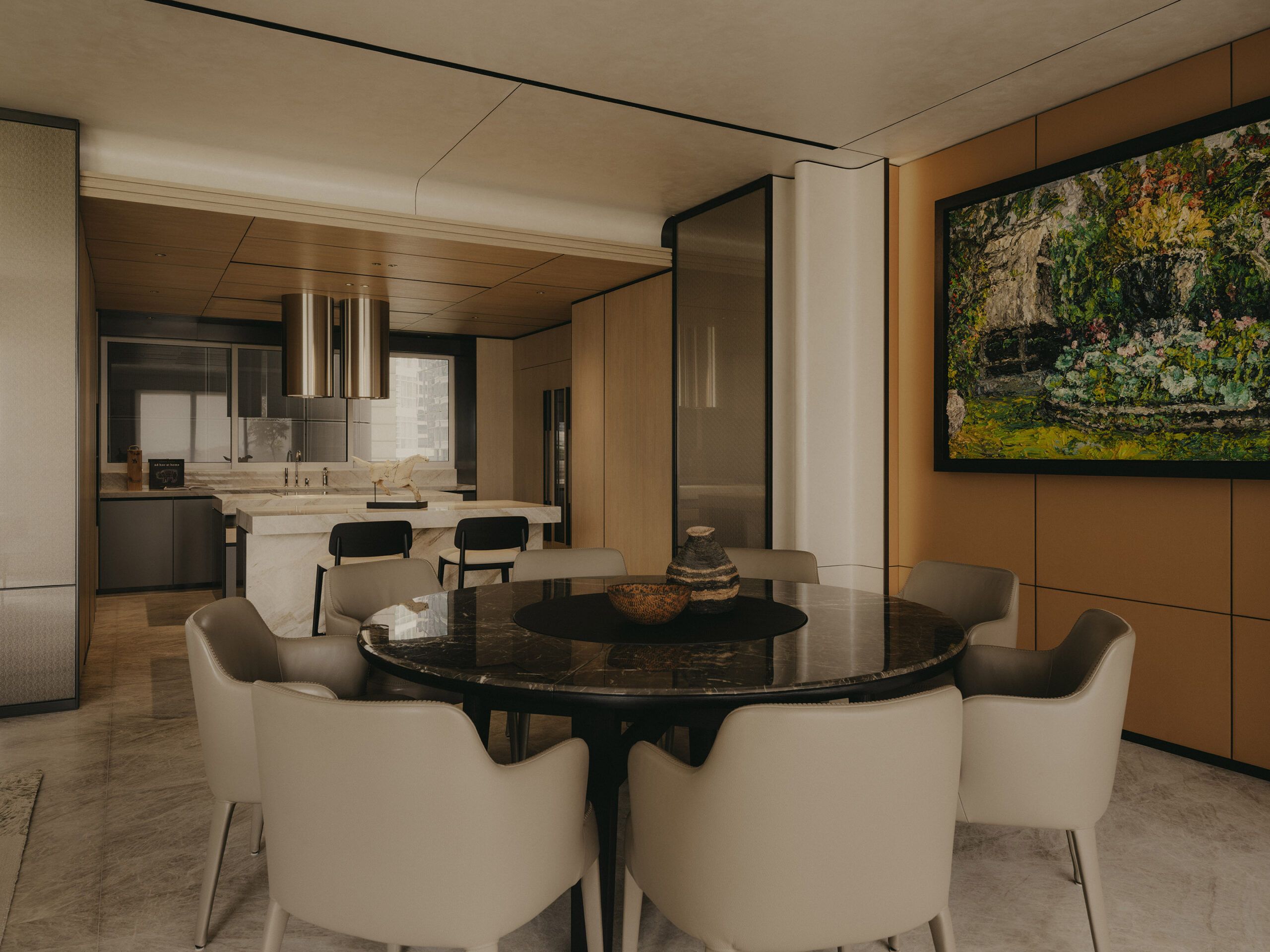
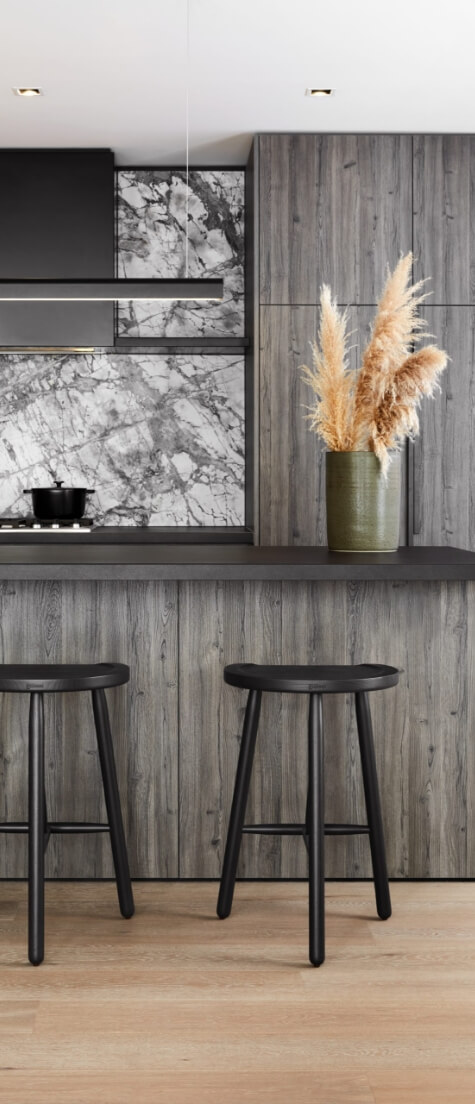
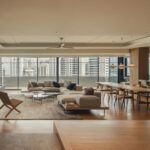
The family’s vision for a double-island kitchen became one of the central organising principles of the design. Positioned at the heart of the home, the kitchen functions not only as a place for cooking but also as a social and gathering space where family life unfolds. The dual-island arrangement accommodates meal preparation, casual dining, entertaining, and everyday interaction simultaneously. It transforms the kitchen into a communal hub where conversations, celebrations, and daily routines naturally converge.
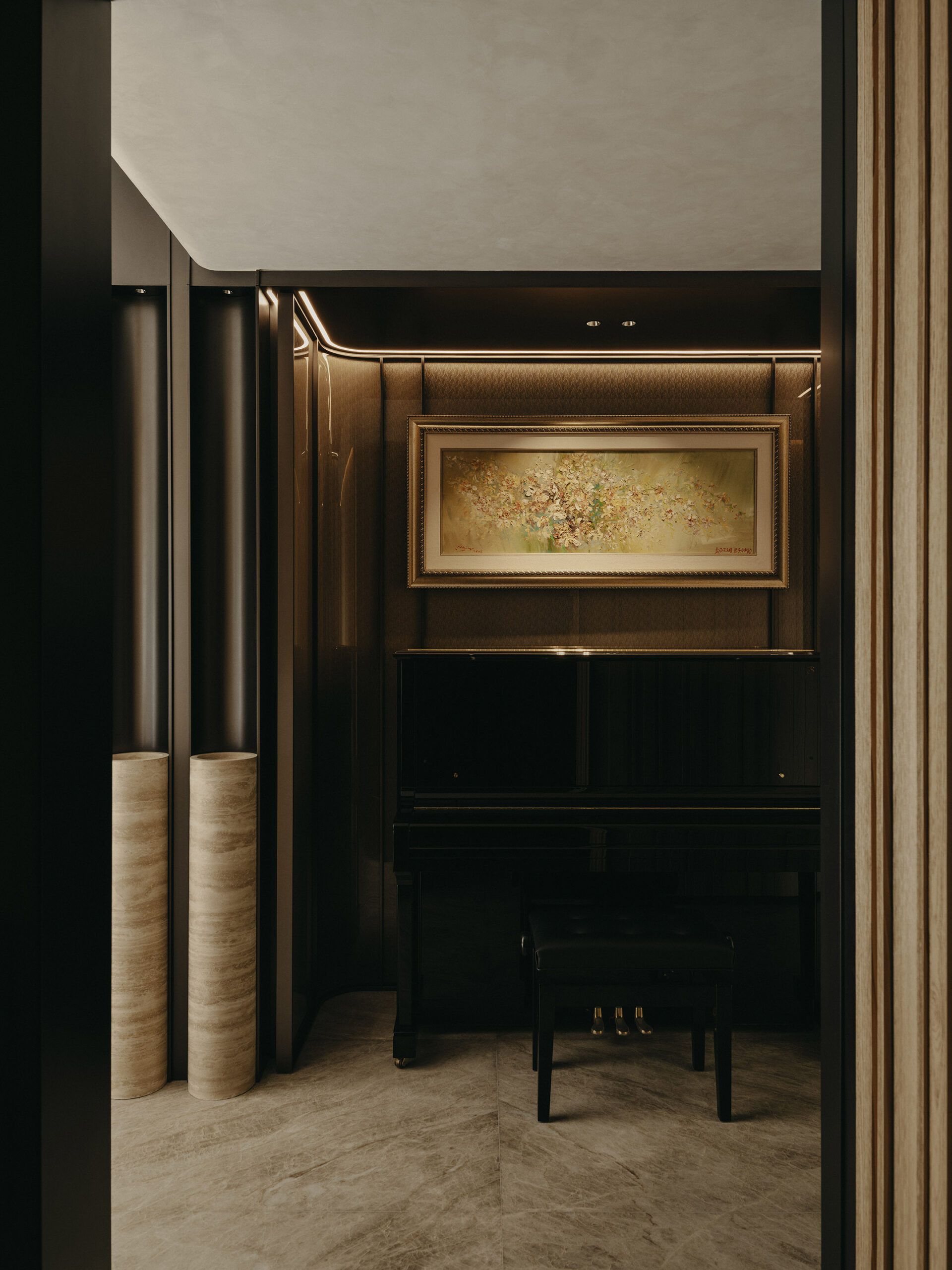
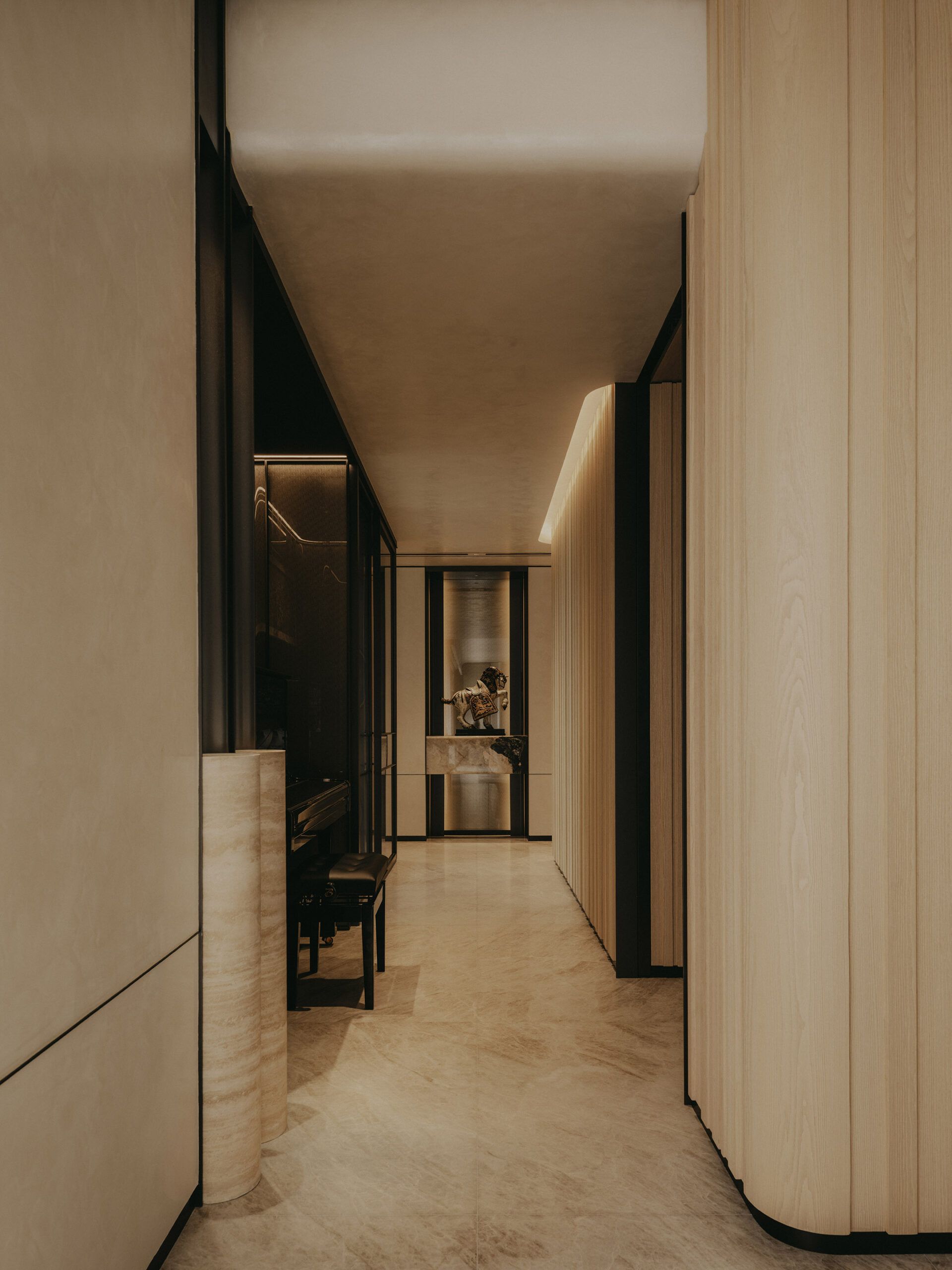
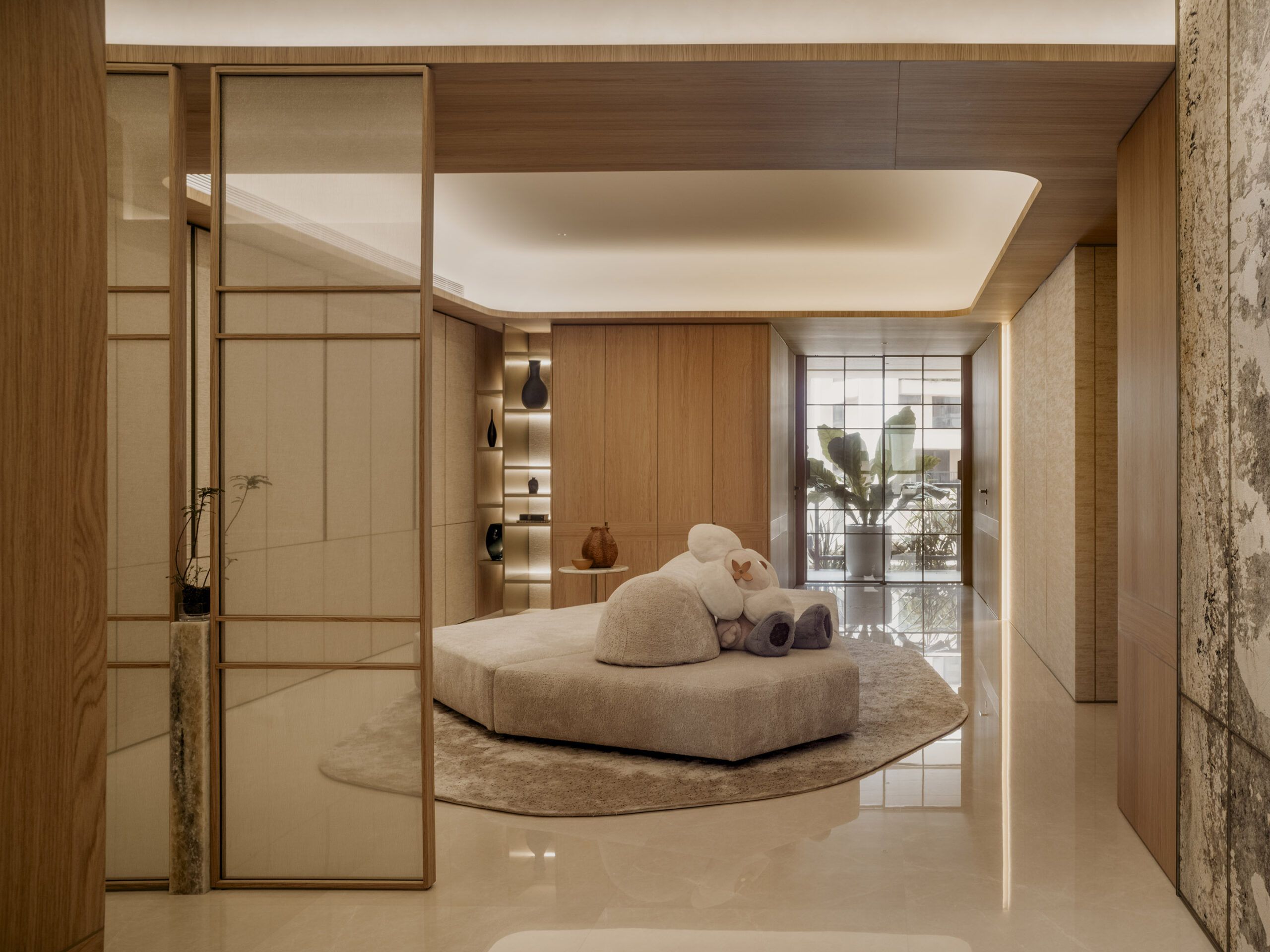
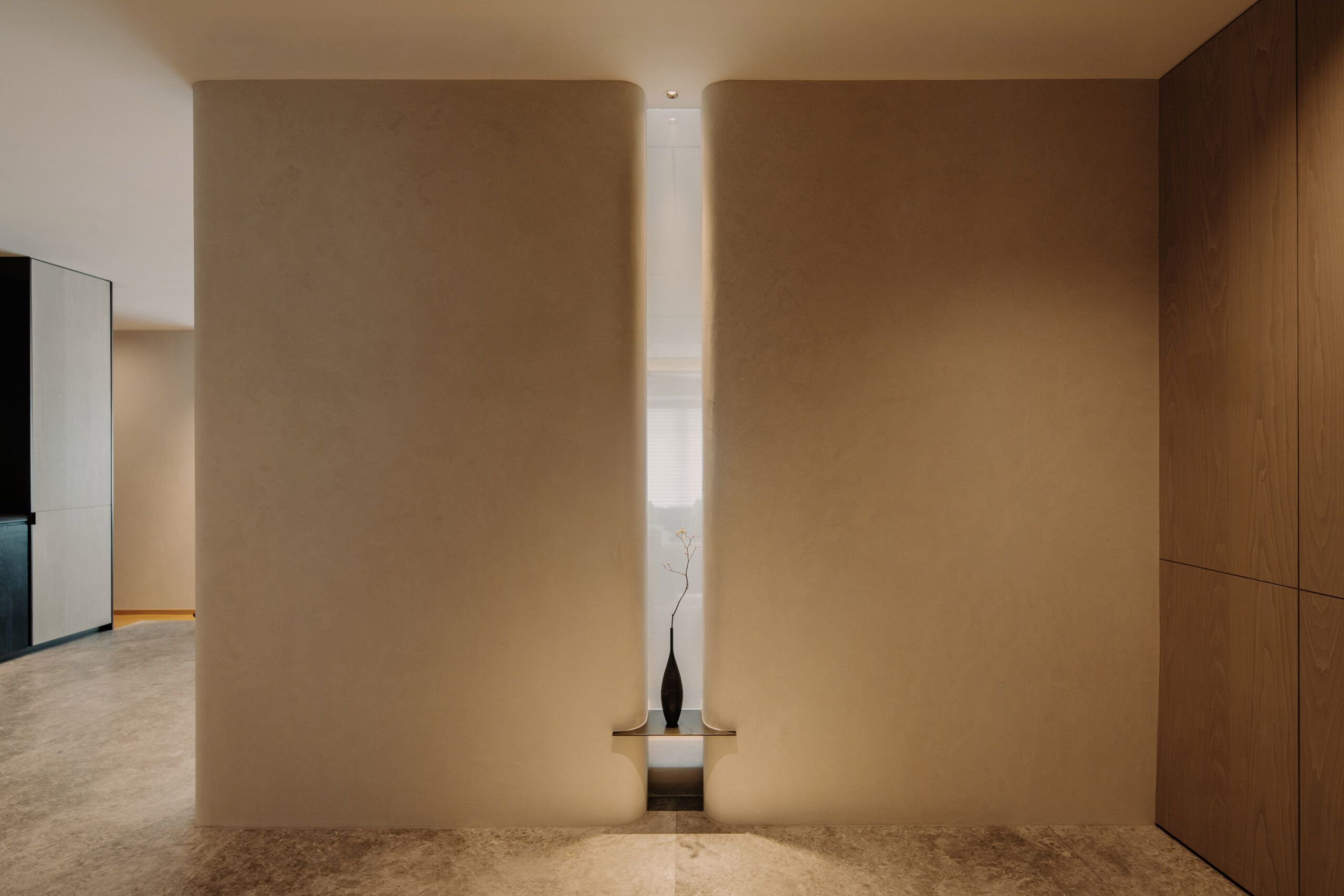
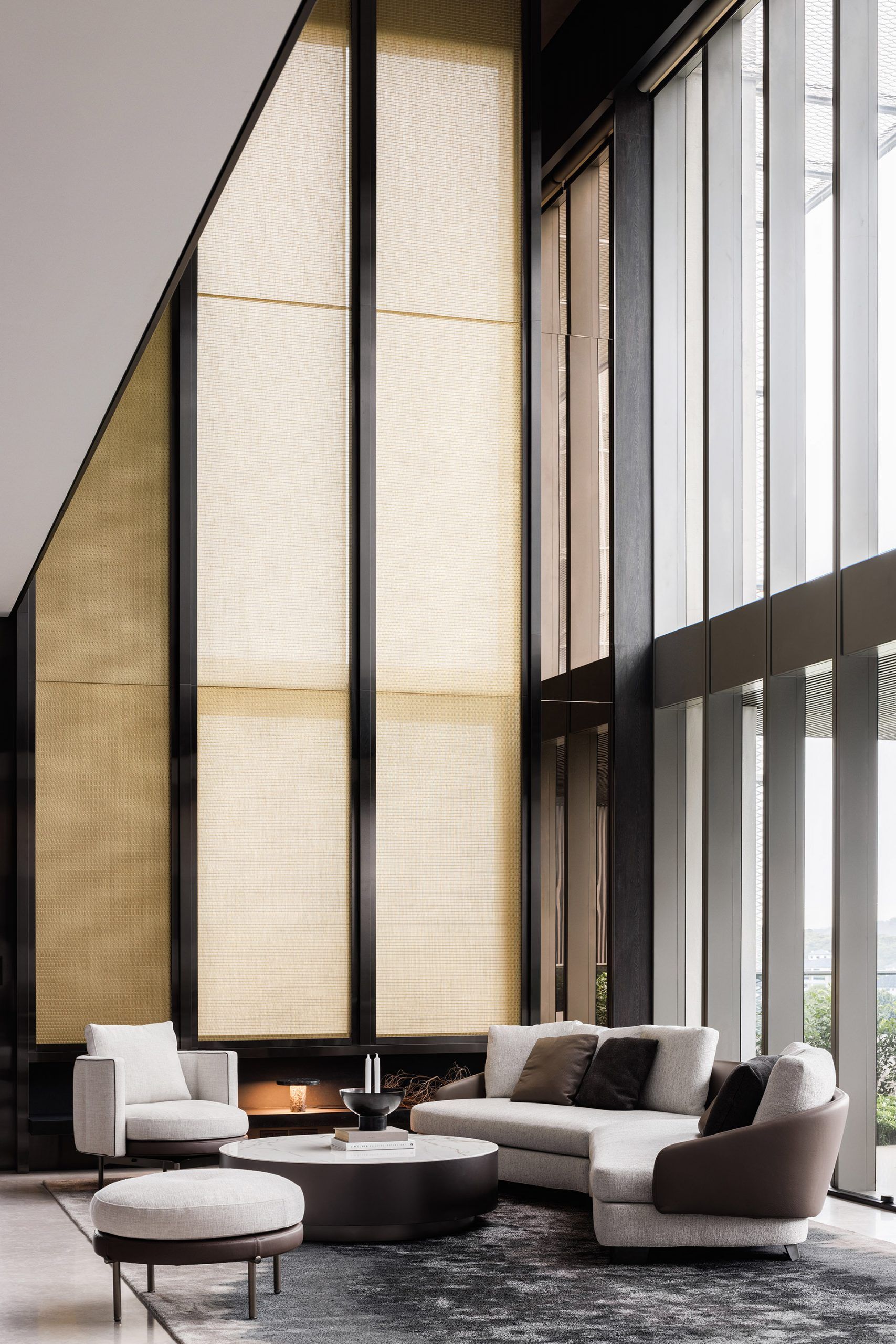
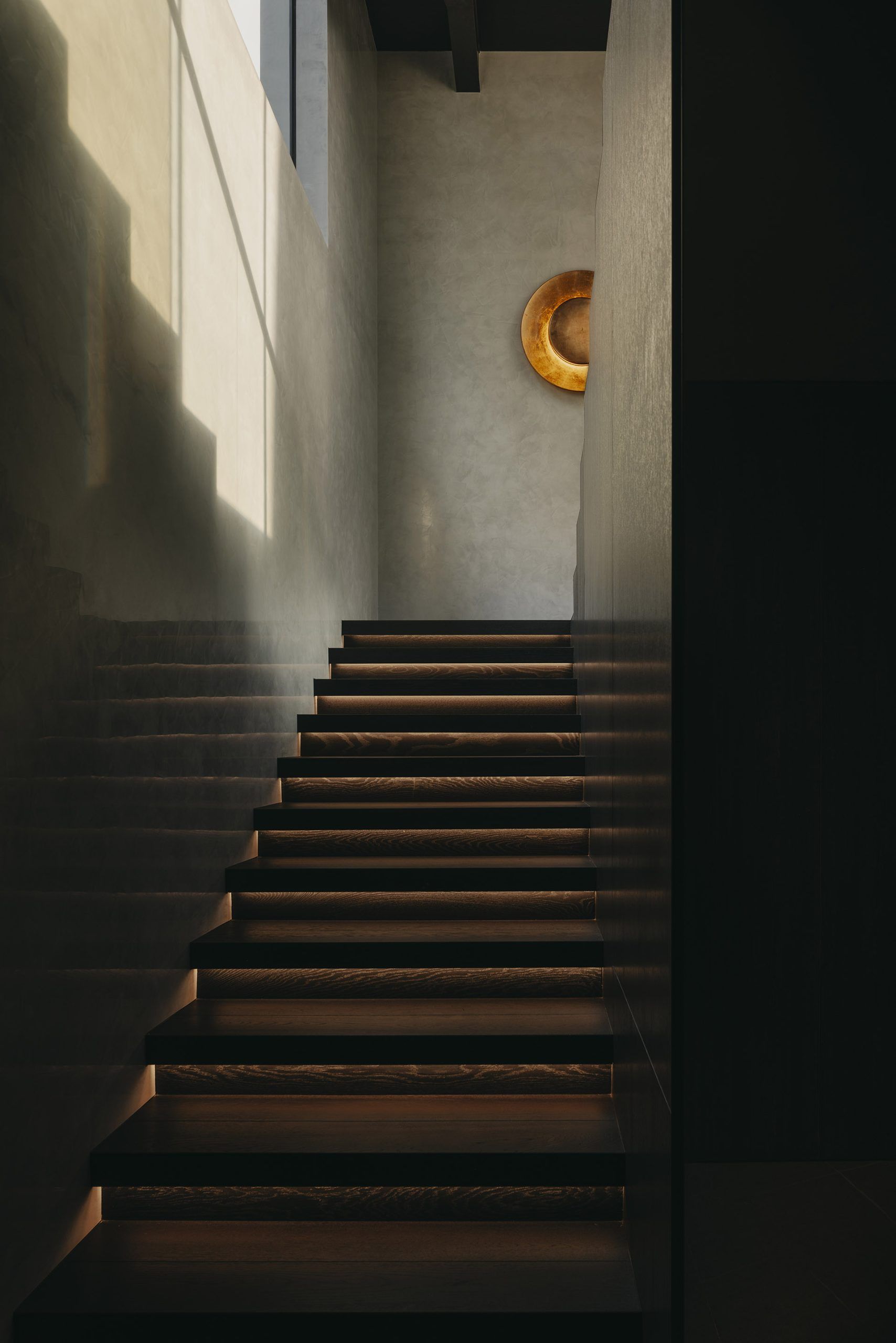
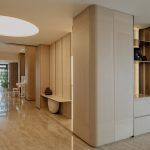
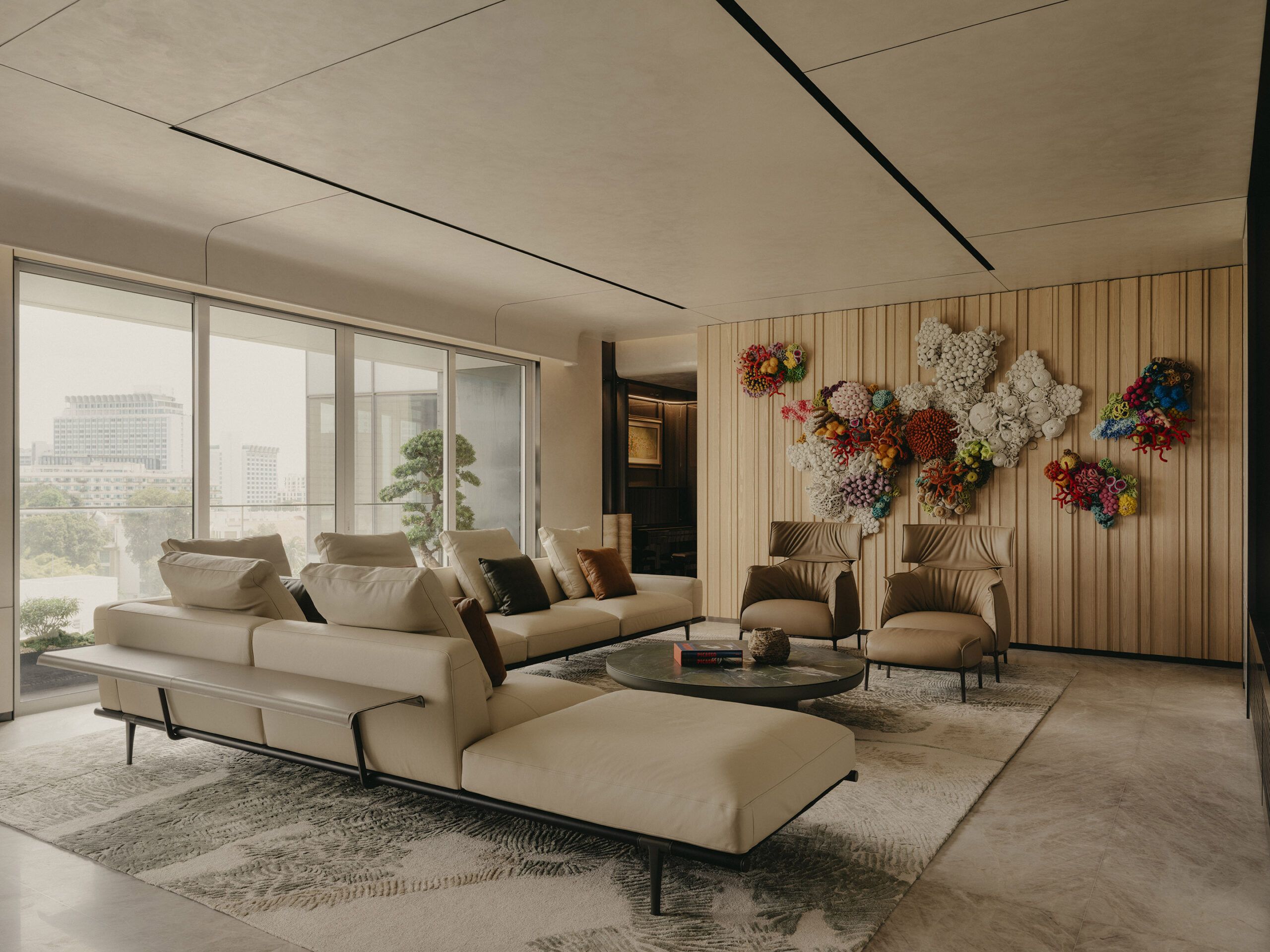
To soften the spatial experience, a language of gentle curves is introduced throughout the interior. Curved corners, rounded transitions, and softened ceiling profiles temper the rigid geometry of the existing structure, creating a more fluid and welcoming environment. These gestures guide movement naturally through the apartment while fostering a sense of calm and intimacy. In contrast, clean linear forms provide clarity and order, establishing a balanced dialogue between softness and precision.
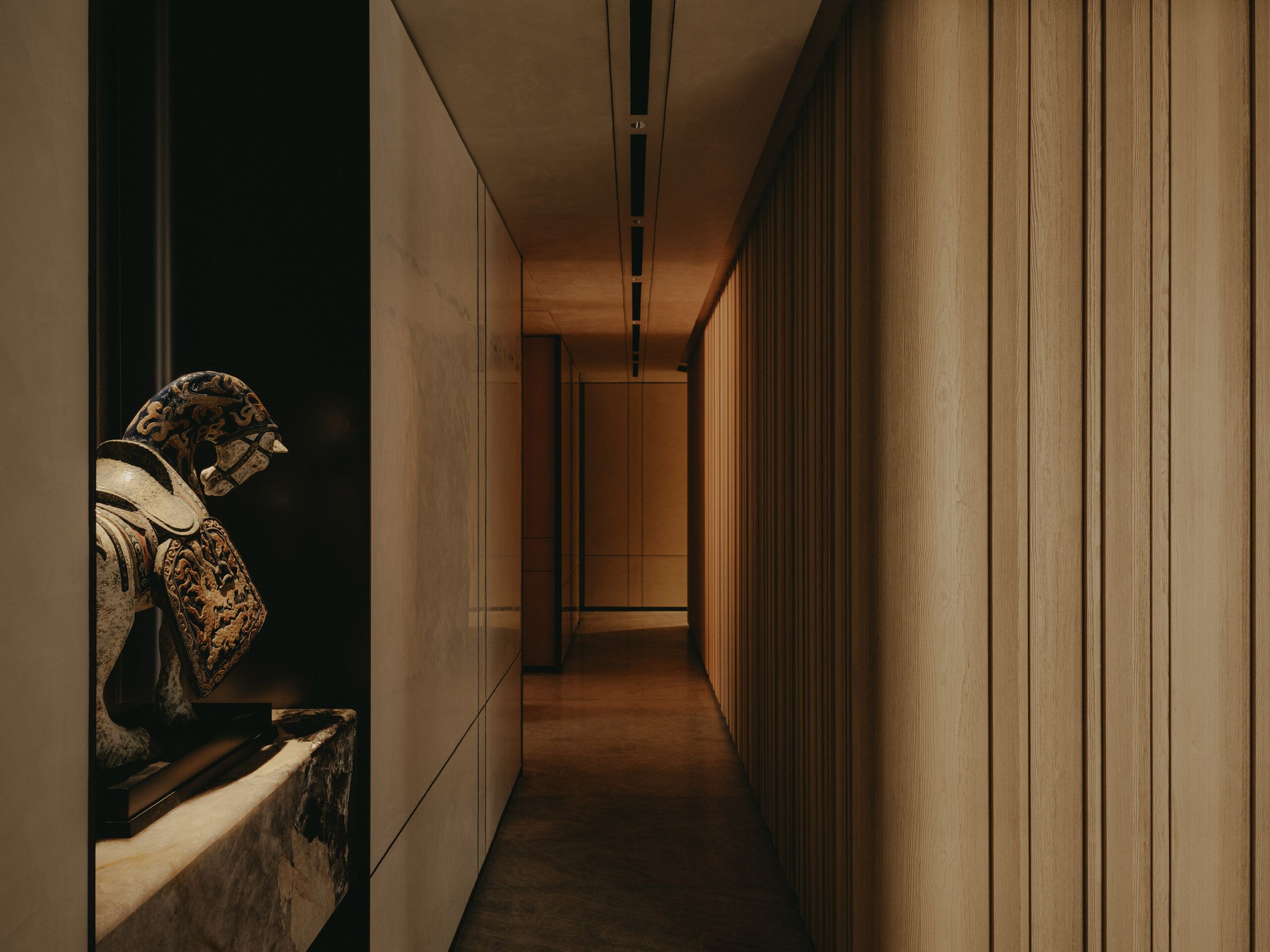
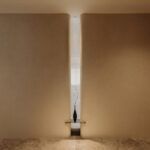
One of the unavoidable characteristics of the original apartment was its long corridor. Instead of concealing this condition, the design reinterprets the passageway as a gallery-like spine connecting the various parts of the home. Lined with artworks, collected objects, and carefully composed moments, the corridor becomes an experiential journey through the family’s story. As one moves through the space, each piece reveals a chapter of the family’s history, transforming circulation into an act of discovery and reflection.
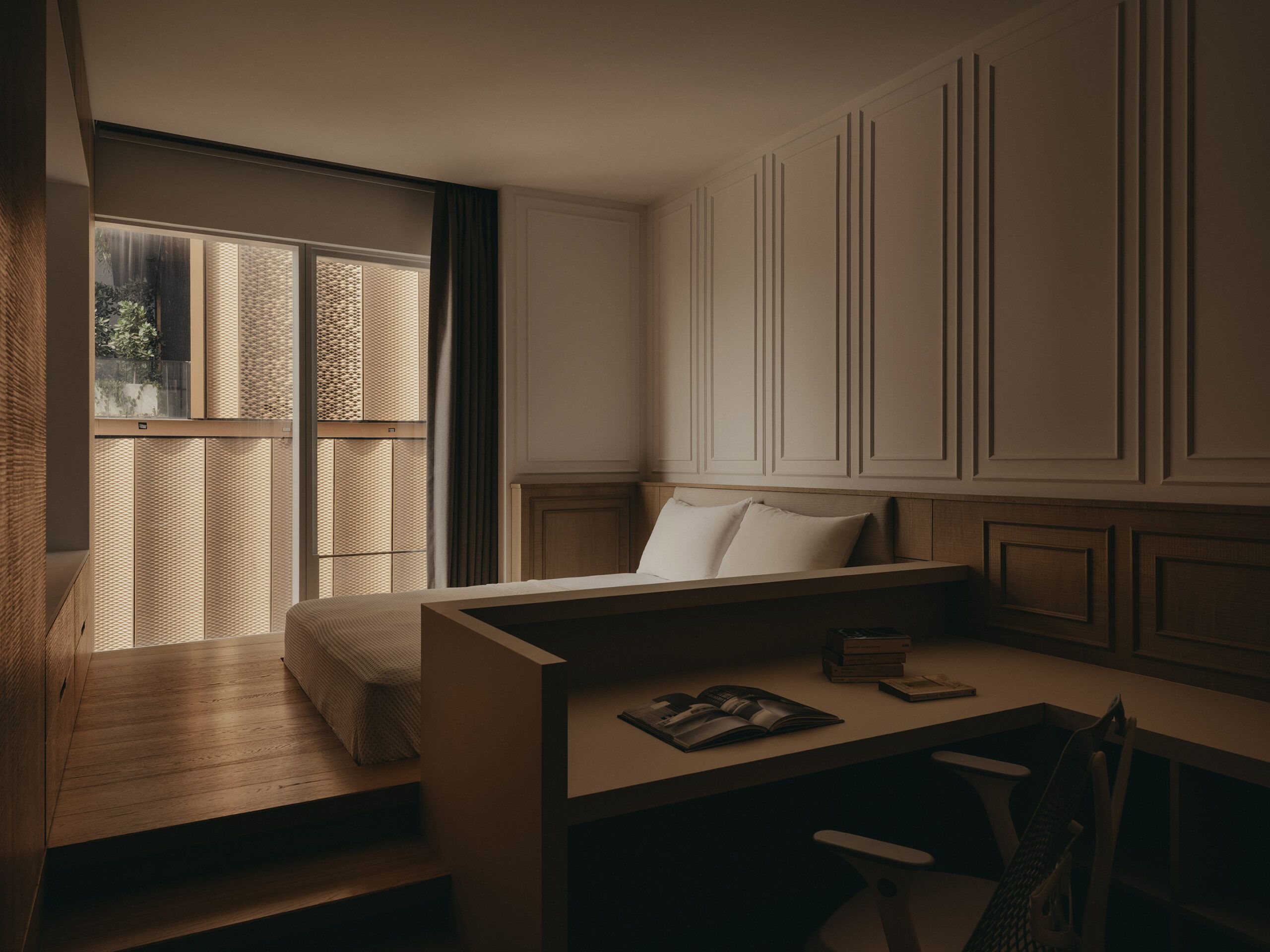
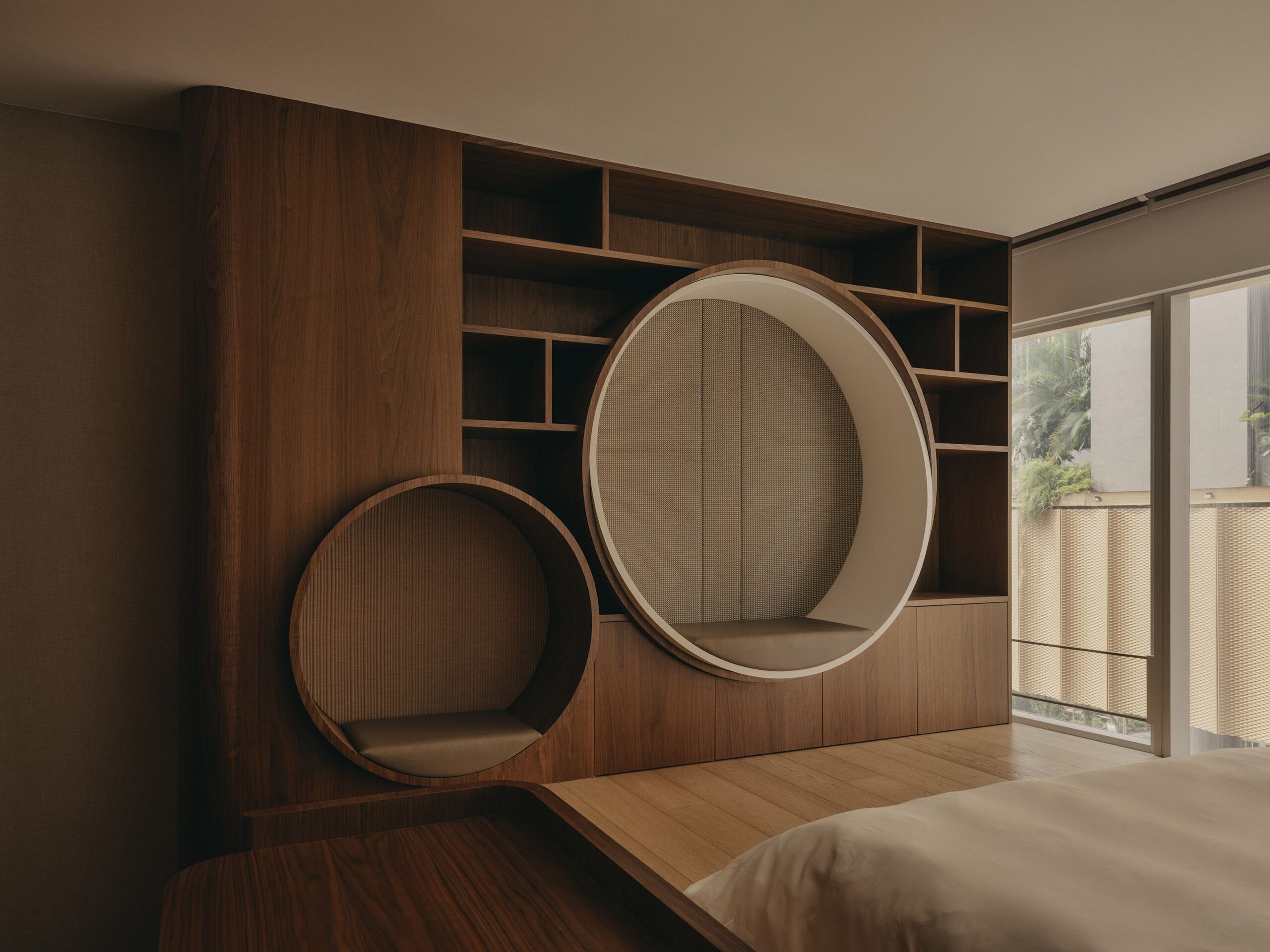
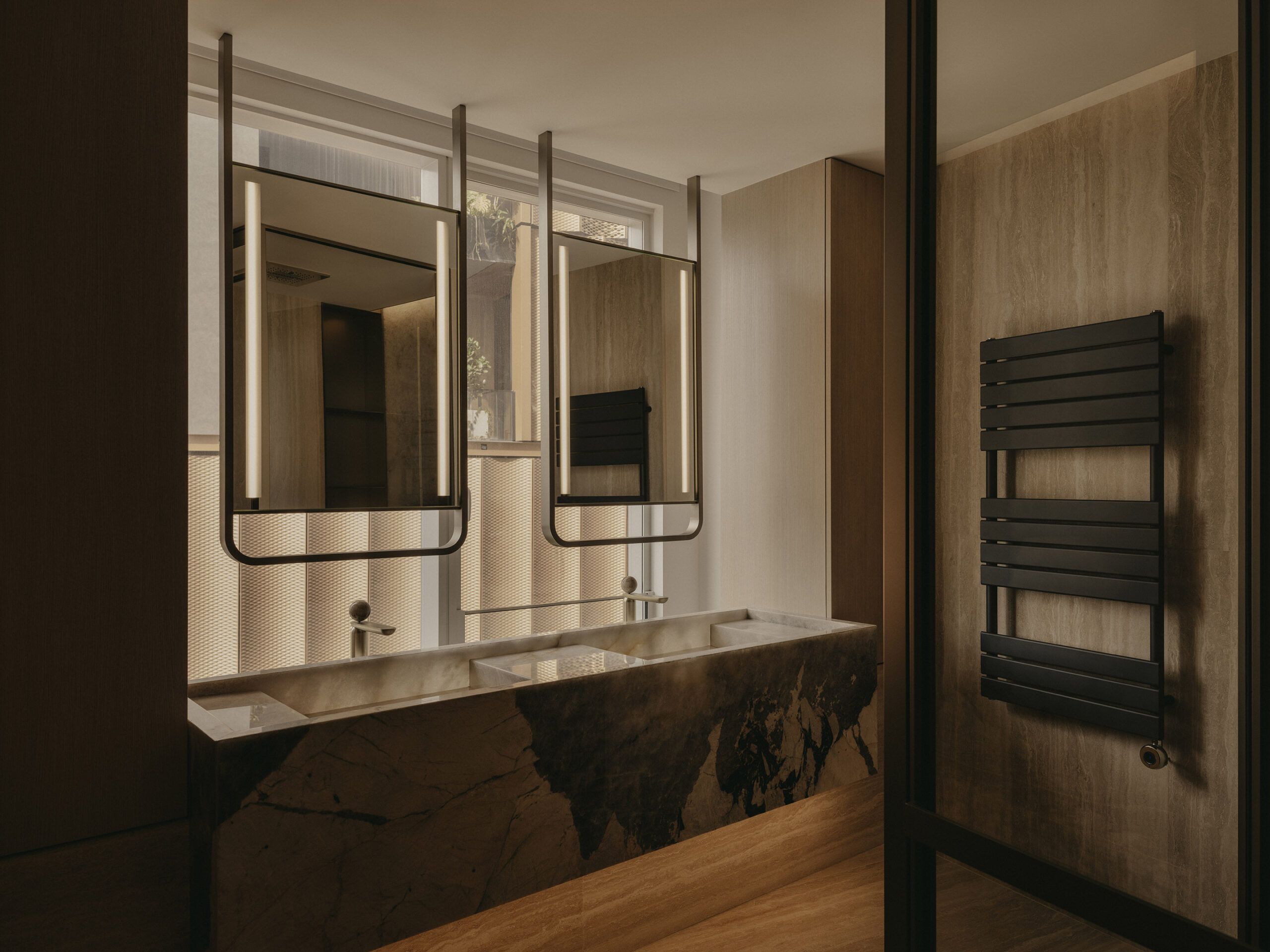
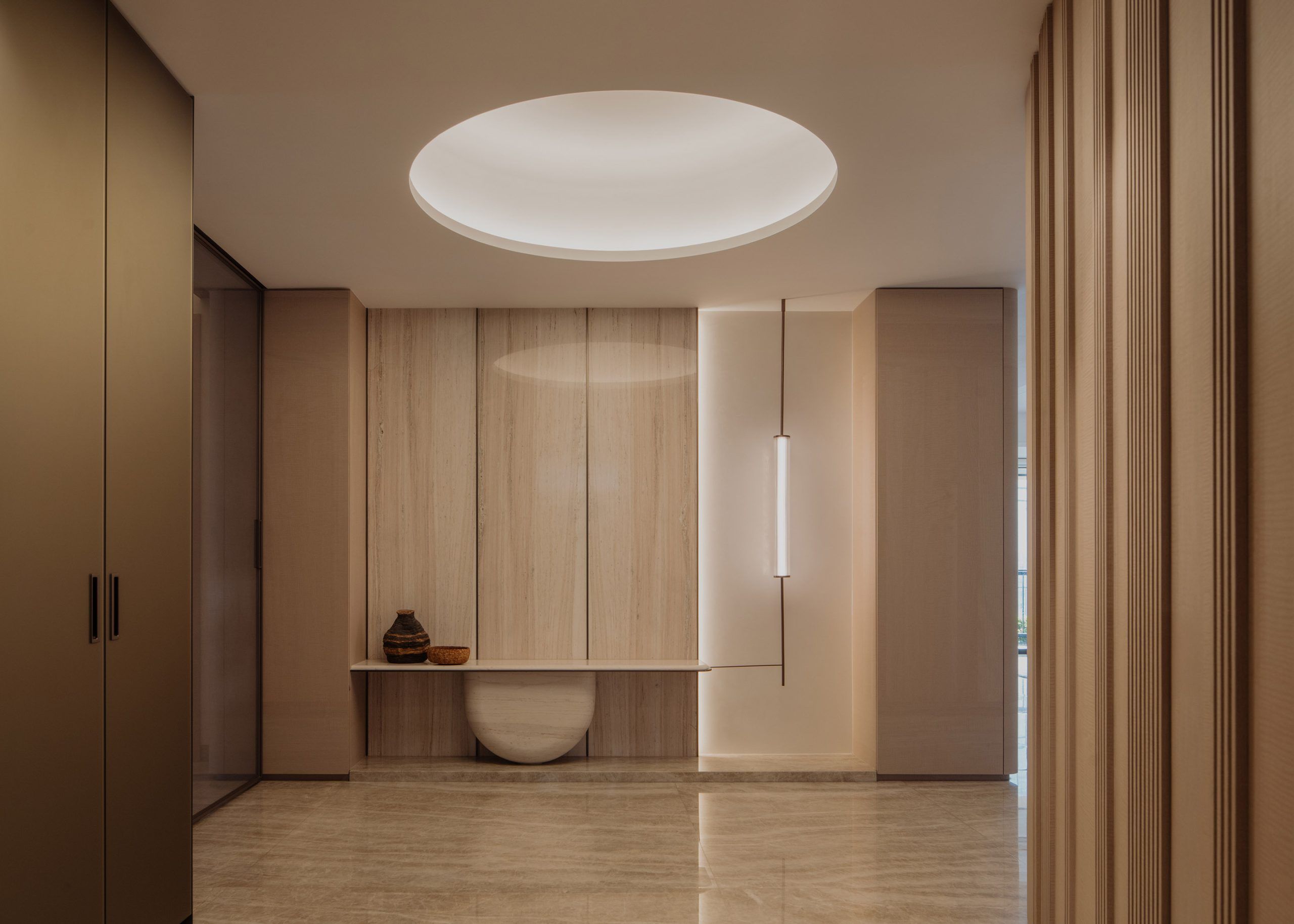
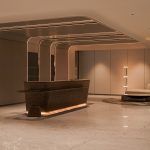
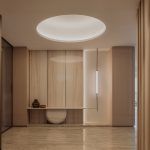
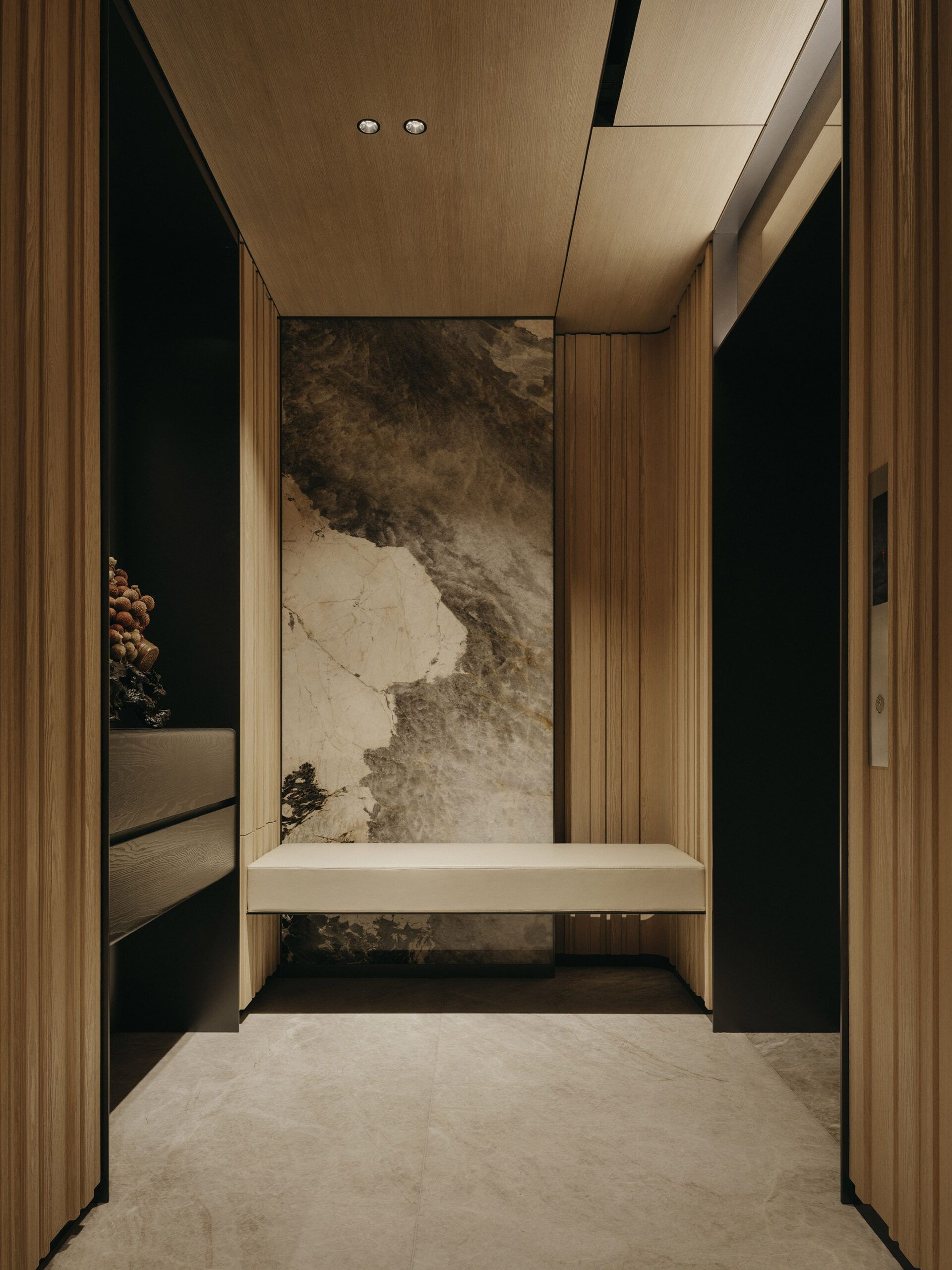
Adjacent to the private lift lobby, a concealed powder room is discreetly integrated into the architectural composition. Hidden within the cabinetry and material palette, it allows guests convenient access without interrupting the privacy of the family’s living quarters. This subtle intervention enhances circulation and reinforces the seamless flow between arrival, entertainment, and private domains.
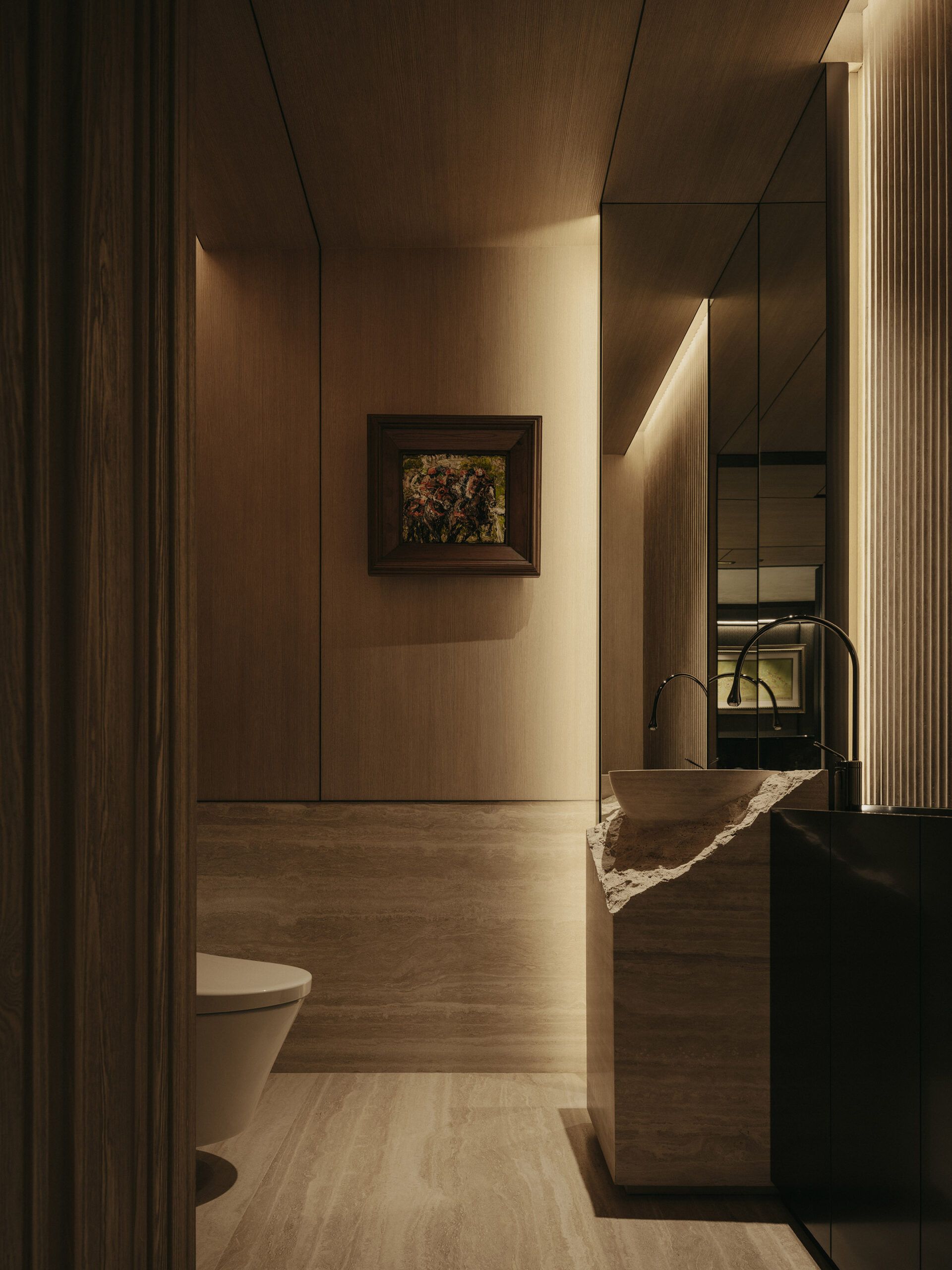
Throughout the project, architecture is employed not simply as a means of organising space but as a framework for preserving memories and nurturing family relationships. The result is a home that transcends conventional notions of luxury. It is a house shaped by gratitude, resilience, and love—a carefully crafted environment where the family’s past is honoured, their present celebrated, and their future thoughtfully accommodated.